
This is an old revision of the document!
In the quiet hum of a contemporary laundry space, a common domestic dilemma unravels. A newly cleaned jacket, damp and heavy, hangs in the balance. The cleaning maker's cycle is total, yet the last action– drying out– presents an essential concern that has destroyed lots of a favorite garment: Is it okay to put a jacket in the clothes dryer? The answer, just like many things in life, is not a straightforward yes or no. It is a nuanced decision that depends upon a trinity of aspects: the jacket's material composition, the manufacturer's explicit directions, and the possible risks and incentives of using warm and rolling activity.
The most critical item of evidence in this examination is typically one of the most neglected: the treatment tag. This little, sewn-in tag is the supplier's direct interaction to the customer, a guide birthed from considerable testing. It is the first and most authoritative source one should consult. An icon of a square with a circle inside it signifies that tumble drying is permitted. The dots within that circle provide more information: one dot for reduced heat, two for medium, and 3 for high. A crossed-out circle inside the square is an unequivocal “Do Not Tumble Dry” command. Disregarding this label is the primary reason for laundry-day disasters, from shrunken sweatshirts to melted membrane layers.
Presuming the care label gives the green light, the following critical variable is the jacket's material. Different textiles react to heat and mechanical anxiety in significantly different ways.
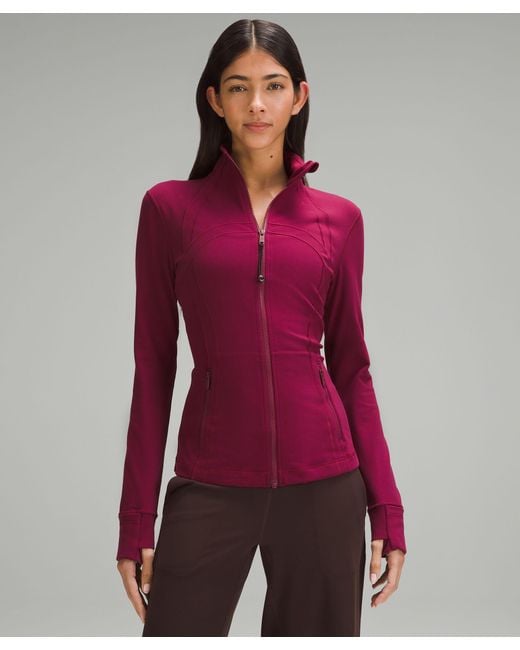
The Sure Thing: Cotton, Polyester, and Nylon Jackets made from robust, synthetic materials like polyester and nylon, or all-natural staples like cotton (such as denim or canvas coats), are generally the most dryer-friendly. These textiles are made for sturdiness and can generally withstand the heat and rolling of a basic or low-heat cycle. The key issue right here is not architectural damages yet prospective damage in time. The consistent toppling can create pilling (the development of tiny fabric spheres) and can discolor shades quicker than air drying out. For these coats, utilizing a low-heat setup is the sensible choice to extend their life expectancy and protect their appearance.
The High-Risk Fabrics: Wool, Down, and Leather/Suede The fibers have scales, and the combination of heat and movement triggers these ranges to lock together, resulting in felting– a serious, irreversible shrinkage that will provide the coat child-sized. Down-filled jackets, prized for their phenomenal heat, provide a distinct difficulty. Leather and suede coats are an absolute “no” for the dryer. Water-proof and breathable coats, usually made with technical fabrics like Gore-Tex, require one of the most careful factor to consider. These coats are engineered with a long lasting water-repellent (DWR) layer on the outdoors and a microscopic membrane layer on the inside. The high heat of a clothes dryer can without a doubt damage these parts, melting the membrane or deteriorating the DWR covering too soon. In a remarkable spin, many makers of high-end technological equipment currently clearly advise a periodic tumble dry on low or average warm. Why? The mild heat aids to “re-activate” the DWR layer, triggering it to rise to the surface area and restore the coat's ability to grain up water. The trick is to strictly adhere to the brand's instructions, which often involve a certain temperature and duration.
Weighing the Dangers: What Can Fail? All-natural fibers like cotton and woman replica Lululemon woollen are particularly at risk, as warm creates the fibers to constrict. Warm damage can also materialize as dissolved components, such as plastic zippers, trims, or artificial cellular linings. For down coats, the devastation of the down clusters' lofting ability means a long-term loss of protecting power. Offered the threats, air drying out often emerges as the most safe, albeit slowest, choice. The finest technique is to hang the coat on a large, padded wall mount to help it maintain its shape. It ought to be dried out in a well-ventilated area away from straight sunlight, which can likewise trigger fading. Is it okay to put a coat in the dryer? For cotton, polyester, and nylon coats, a low-heat cycle is a convenient and generally safe alternative. For down jackets, it can be a needed step for maintenance, provided it is done properly with clothes dryer spheres.
The washing machine's cycle is total, yet the last action– drying– presents an important concern that has spoiled many a favored garment: Is it alright to put a jacket in the dryer? Jackets made from robust, artificial products like polyester and nylon, or all-natural staples like cotton (such as denim or canvas coats), are generally the most dryer-friendly. The fibers have scales, and the combination of heat and activity triggers these ranges to secure together, resulting in felting– an extreme, irreversible shrinking that will certainly render the jacket child-sized. The mild heat assists to “re-activate” the DWR coating, causing it to rise to the surface area and recover the coat's capacity to grain up water. For down coats, it can be a necessary action for maintenance, provided it is done appropriately with dryer spheres.